Angora for thermal layers
Angora wool is not itchy, when it is a clean angora fibre with no coarse guard hair; the classic scratch comes from coarser guard hairs and from low grade or blended fabrics, not from the soft angora undercoat itself. A properly spun angora base layer holds 2 to 4 times more warmth than cotton of the same weight, and a single 100 gram angora panel outperforms a 250 gram cotton panel, which is why it is the rare luxury fibre that also earns its keep as a thermal base layer rather than a lounge-only yarn.
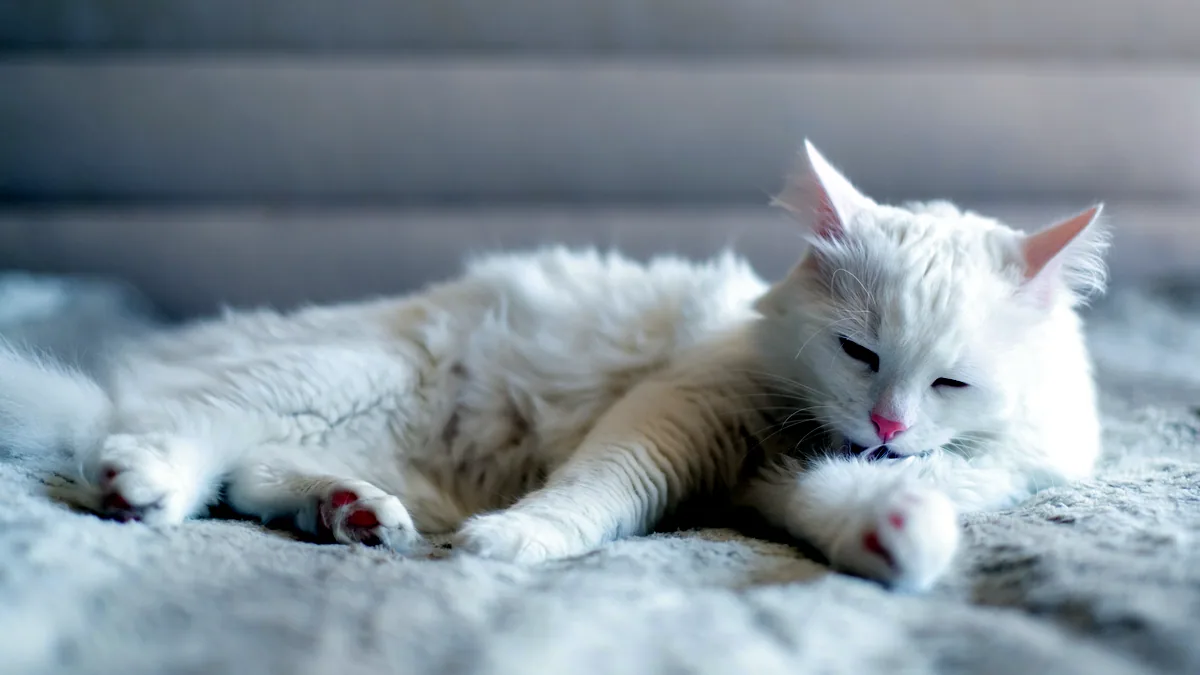
Angora and wool are not the same thread. Angora is the undercoat fibre of the angora rabbit, while wool is the fleece of the sheep, and the two fibres differ in weight, warmth per gram and price. A 100 gram angora panel is lighter than a 250 gram cotton panel yet outperforms it, because angora fibres trap dead air in their cortex. That trapped air is the same mechanism that makes a down jacket work, which is why the material is often called the warmest by weight in the thermal underwear field.
- Merino as a thermal base layer is the direct rival to angora, and it wins on durability, availability and price rather than on raw warmth per gram.
- Mohair explained briefly: mohair comes from the angora goat and is stiffer and shinier than angora, so it shows up in sweaters and blends, not in thermal underwear.
- Big W thermal underwear is a useful price benchmark: a $40 cotton pair sits at the bottom of the range, while a 20 per cent angora blend sits above it and a 100 per cent angora layer sits far higher still.
Where angora comes from
Angora comes from the angora rabbit, which is raised mainly in China, where roughly 90 per cent of the world supply is produced, with smaller herds in Spain and Argentina. The fibre is either plucked while the animal is alive or sheared in a single pass, and a single rabbit yields about 250 grams of fibre per year. Because the animal must be handled by hand, the supply is small, which is why 100 per cent angora costs more than merino of the same weight and why most thermal underwear is a blend rather than a pure angora layer.
The undercoat and the guard hair
The angora coat is two layers deep. The soft undercoat is the angora fibre, measuring around 12 microns in diameter, which is finer than 17 micron merino. Over it sits a stiffer outer coat of guard hair, which can reach 40 microns or more and is the source of the scratch that earns angora its bad name. A clean combing step removes that guard hair, so a well made angora layer is soft and a poorly made one is not; the fibre is the same in both cases, the grade is what differs.
Why angora wool is not itchy
Angora wool is not itchy when the fibre is clean, because the undercoat is around 12 microns, which is below the human touch threshold of roughly 18 microns that triggers the prickly response. Itch is not an inherent property of the fibre, it is a property of grade. A low grade angora that still carries guard hair, a synthetic blend that is coarser to the touch, or a garment with a rough knit will all feel scratchy, and none of that is a fair test of angora itself. A 12 micron undercoat is softer than 17 micron merino and far softer than the 30 to 40 micron guard hair that causes the complaint, so a properly graded angora base layer feels smooth against the skin. The honest answer to the itch question is: clean angora is soft, and the itch you have heard about is guard hair, low grade or a rough weave, not the undercoat.
How the grade decides the feel
- Grade decides the feel, because it is a measure of how much guard hair the combing step removed, and the less guard hair present the smoother the garment wears.
- A 100 per cent angora layer at a high grade feels the softest, but it is also the most expensive and the most delicate.
- A 20 to 30 per cent angora blend keeps most of the warmth and most of the softness while adding the strength and durability that a pure angora layer lacks.
How the fibre traps heat
Angora traps heat the same way a down jacket does: by holding dead air in the space between its fibres. The angora cortex is a hollow, crimped structure that holds that air more efficiently per gram than a cotton fibre, which is why a 100 gram angora panel outperforms a 250 gram cotton panel. Warmth per gram is the number that matters here, and angora leads it, which is why the material is called the warmest by weight. That advantage is why angora earns a place in the thermal underwear field even though it is not the most durable fibre in it.
Moisture, odour and the drying question
Angora holds moisture less tightly than cotton and dries faster, but it does not manage sweat the way merino does. Merino is the better base layer for a motorcycle ride, a long hike or any sweaty outing, because it wicks and dries; angora is the better layer for a cold, dry day when the priority is staying warm rather than staying dry. Neither fibre is a substitute for a synthetic base layer on a wet, high exertion day, so the choice between angora and merino is really a choice between warmth and wicking, and a rider or a hiker should front the wicking fibre and reserve the angora for the dry cold.
Angora against the other thermal fibres
Angora is not the only fibre that wins the warmest by weight argument, and a fair comparison puts it against merino, cashmere and a cotton benchmark. Cashmere is the warmest by weight of all of them and sits at the top of the luxury tier, angora is a close second and costs less, merino is the most practical and the most available, and cotton is the cheap baseline that the rest of the field is measured against. The table below lines up the fibres on the numbers that actually decide the choice, and it shows that angora is the best warmth per gram of money, not the warmest fibre in absolute terms.
| Fibre | Warmth per gram | Softness | Wicking | Durability | Typical price tier |
|---|---|---|---|---|---|
| Angora | Very high | Very high | Moderate | Low | Luxury |
| Cashmere | Highest | Very high | Moderate | Low | Premium |
| Merino | High | High | High | High | Mid |
| Cotton | Low | Medium | Low | High | Low |
Which fibre wins in which cold
Angora wins in dry cold, because its warmth per gram is high and its wicking needs are low. Merino wins in wet, active cold, because it wicks sweat and dries fast while still holding heat. Cashmere wins when money is no object and the priority is pure warmth and softness, and cotton wins only when the priority is cost and the day is mild. The choice is not about the warmest fibre in the abstract, it is about the warmest fibre for the specific cold in front of you, and a rider or a hiker in Edinburgh or Adelaide should read that cold before reaching for the angora layer.
From coat to finished garment
Angora travels from the rabbit coat to the finished garment in four steps: shearing or plucking, combing to strip the guard hair, spinning into a yarn, and knitting or weaving into a fabric. Each step decides whether the final layer is soft or scratchy, warm or thin. A heavyweight knit holds more trapped air and is warmer, while a thinner knit is lighter and more breathable. The same fibre, spun and knitted differently, can feel soft or scratchy and warm or thin, which is why the finished garment is the real test of the angora and not the fibre alone.
Care and the lifetime of an angora layer
An angora base layer is more delicate than a merino or a cotton pair, so it takes fewer washes and a shorter life. Hand wash it in cold water, dry it flat, and store it folded, and it will last for several seasons. A 20 per cent angora blend is the practical middle ground: it keeps the warmth and the softness of the angora while taking the abuse of daily wear, and it is the reason most riders and hikers buy a blend rather than a 100 per cent layer. The benefit of the angora is real and measurable, but it is a benefit you manage, not one you ignore.