How thermal underwear works
Thermal underwear is a fitted base layer that keeps you warm by trapping the air your skin heats between fine, crimped wool fibres rather than by generating heat; in a typical merino base layer about 80 percent of the trapped volume is still air, and the wool only slows its escape. Men's thermal underwear sits as the first layer against the skin in a base layer system, and the warmth it delivers is decided by the fibre's diameter, the way that crimp holds loft, and how well the yarn moves sweat away before it chills you. Because a base layer must fit close to hold that air, the right pair in the right weight beats a heavier one in the wrong weight, which is the whole of the argument for natural fibres in cold weather.
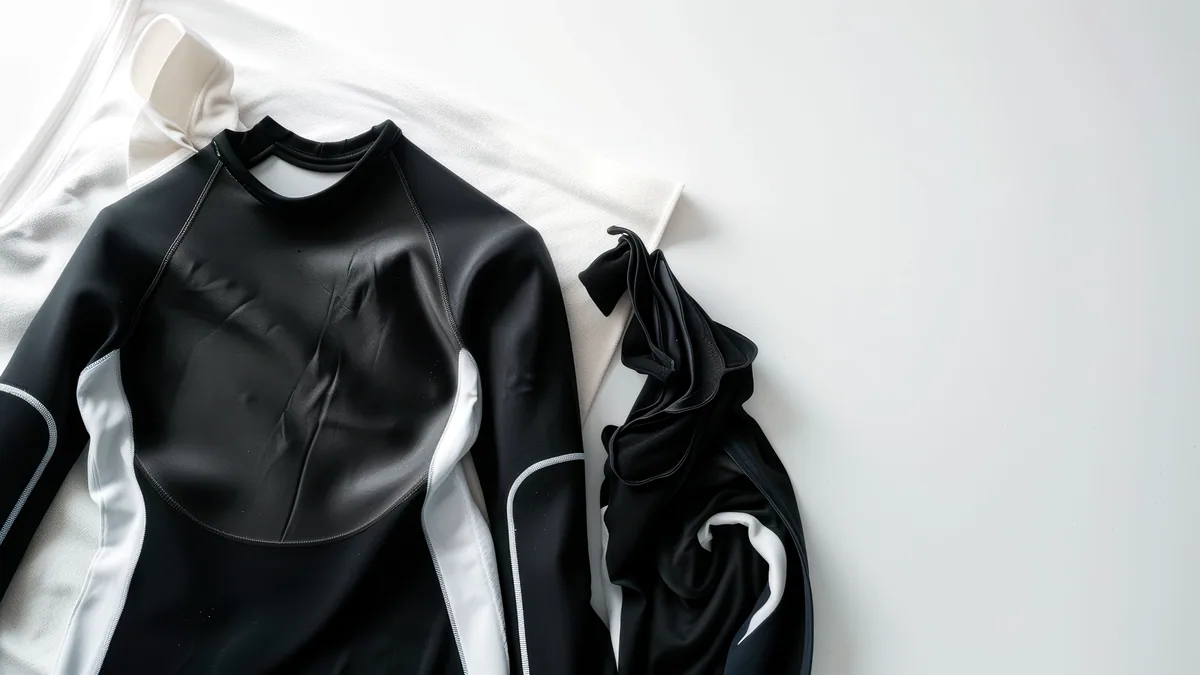
Searchers often ask which thermal underwear for men is the warmest, and the honest answer is that warmth is a property of the system, not of the label. A midweight angora base layer at around 200 gsm traps more still air than a light merino at about 150 gsm, so for deep cold the angora layer wins, while a heavier merino at 250 gsm to 300 gsm out-works both in wet weather. The same logic applies across the range of long underwear available to women and to the thermal wear sold for ladies, since the fibre physics is identical and only the fit and cut change from a men's cut to a ladies' cut.
How the fibre structure traps heat
The structure of a wool fibre is what traps heat in the first place. Each merino and angora fibre is a hollow, crimped shaft, and that crimp is a small zigzag that stops the fibres lying flat against one another. The result is a web of pockets, each holding a film of air that the skin warms to body temperature. Wool is one of the only natural fibres with that crimp built in, and a merino fibre that measures 17.5 microns across traps far more air than a smooth fibre of the same weight would, because the finer the fibre, the more of them fit into the yarn, and the more pockets they create. That is the mechanism behind every warmth figure quoted for natural fibre base layers: the garment is a structure for holding warm air, and the fibre is the scaffolding that keeps it held.
Why merino wool is the base layer fibre
Merino wool is the default fibre for a base layer because it is fine, crimped and naturally moisture-wicking, three properties that a base layer needs at the same time. A typical merino base layer uses fibre at 17.5 to 19.5 microns, fine enough to feel smooth against skin and crimped enough to hold loft, and it moves sweat away from the skin into the open spaces between fibres where it evaporates into the still air the layer holds. The warmth it provides is the warmth of trapped, warmed air, and that air stays warm only as long as it stays dry, so the wicking is the second half of the job. A 200 gsm merino mid layer holds enough loft for a day at 5 degrees, and a 300 gsm version holds it for a day at minus 5 degrees, provided the cold is dry.
Merino weight and what each one is for
The weight of a merino base layer is the single number that tells you where to wear it, and it is measured in grams per square metre of fabric. The table below fixes the three main weights and the range each one is made for, and the numbers are the ones a shop or a sale listing should quote when you compare a light merino against a heavy one.
| Weight (gsm) | Use case | Comfort range (degrees C) |
|---|---|---|
| 150 light | Active days, office layer | 8 to 15 |
| 200 mid | Everyday cold, travel | 0 to 8 |
| 250 to 300 heavy | Sustained deep cold | minus 10 to 0 |
Pick the weight to the coldest point of the day, not to the average, and the fibre does the rest. That is the short answer to which thermal underwear for men is the warmest when the cold is dry: the heaviest merino you can stay dry in.
Where angora wool takes over
Angora wool is the warmest natural fibre a base layer can be made from, and it takes over from merino in deep, still cold. The fibre comes from the angora rabbit and measures around 10 microns across, finer than the 17.5 to 19.5 micron merino, and the angora crimp holds more loft per gram, so a midweight angora layer at about 200 gsm out-works a merino of the same weight in a deep freeze. The warmth inside an angora jumper comes from the same trapped-air mechanism, but with more and finer air pockets, which is why a knit angora layer reads as the warmest natural option a base layer can offer. The trade is that angora is less durable, wicks less freely and pills more easily, so it is the deep cold layer, not the active layer, and it is the fibre to reach for when the cold is dry, deep and still. When the weather turns wet, the wet angora holds water and the loft collapses, and that is the exact point where the reference for natural-fibre thermal shifts back to merino. The angora layer wins the deep cold, the merino layer wins everything else, and the two together cover the whole range of a cold season.
Which fibre wins in which cold
The right fibre for a given cold is decided by two conditions: the temperature and the moisture, because moisture is what destroys the trapped air a base layer depends on. In deep, dry cold a midweight angora layer at around 200 gsm is the warmest, and in anything wet a heavier merino at 250 gsm to 300 gsm is the safe pick, because it wicks the water that would otherwise chill you. The table below sets the two fibres against each other so the choice is a matter of reading the weather, not of reading labels.
| Fibre | Fibre diameter (microns) | Loft and warmth | Wet weather |
|---|---|---|---|
| Angora | about 10 | highest, finest crimp | weak, holds water |
| Merino | 17.5 to 19.5 | high, fine and even | strong, wicks and dries |
A natural fibre base layer is dry and warm by the time a synthetic layer is already cold and clammy, and it carries no charge, so there is no static in the cold. The only real weakness is that a wet natural fibre dries slowly, which is why the heavy merino is the pick for wet deep cold and not the angora.
Choosing a thermal underwear set for men
To choose a thermal underwear set for men, work from the coldest, wettest day you expect to face and pick the fibre and weight that cover it, then fit the rest of the system to the same layer. A base layer only keeps the trapped air if it fits close, so a set that is a size too loose lets cold air in and the warmth is gone, and that is the most common reason a thermal pair feels like it is not working. The list below is the order to check, and each item is a thing to verify on the garment you are holding, whether you are buying it on the high street, finding a shop near you, or comparing a pair in a sale against a pair at full price.
- Weight in gsm matched to the coldest point of the day
- Fit close enough to hold the loft, not tight enough to cut circulation
- A flatlock seam so the base layer does not chafe under a shell
- Length long enough to stay tucked, so cold air does not rise under it
- A midweight merino at 200 gsm for everyday cold, and a heavy one at 250 gsm to 300 gsm for deep cold
Keep the thermal as the base layer, and a midweight merino pair at 200 gsm is the pair to buy first, because it covers the largest range of a season and the rest of the system, a fleece mid layer and a waterproof shell, does the work above it. A thermal set does not work if the layer above it is not breathable, because the moisture the base layer moves has nowhere to go and the trapped air chills, so the base layer, the mid layer and the shell must be chosen to vent together.
The same system applies to the thermal underwear women buy and the thermal wear for ladies, since the fibre and the mechanism are the same and only the cut differs. A heated base layer is a different product altogether: it carries a battery and a heating element, and Thermal underwear heated by an element keeps the body warm by direct heat rather than by trapping air, which is why it is a piece of equipment for a fixed spot and not a base layer for a day on your feet. For cold that comes and goes through a season, the natural fibre layer is the tool, and the angora for the deep dry cold, the merino for everything else, and the weight chosen to the day are the three decisions that decide how warm you stay.