John Lewis thermal underwear
John Lewis thermal underwear is a retail thermal underwear range: base layers sold in the John Lewis stores and on johnlewis.com, built from cotton, polyester and merino wool in men's, women's and kids' lines, with mid-weight and winter-weight cuts priced from roughly 20 pounds to 60 pounds for a top-and-bottom set. It is not a single fabric but a family of products, and the question worth asking is which fibre content justifies the price. The answer depends on how the layer is worn: as the only insulation against the cold, or as a base under outerwear, where the fabric must move sweat away and dry in time. Read to the end and you can sort the range by the 3 properties that decide warmth: fibre type, weight per square centimetre and fit.
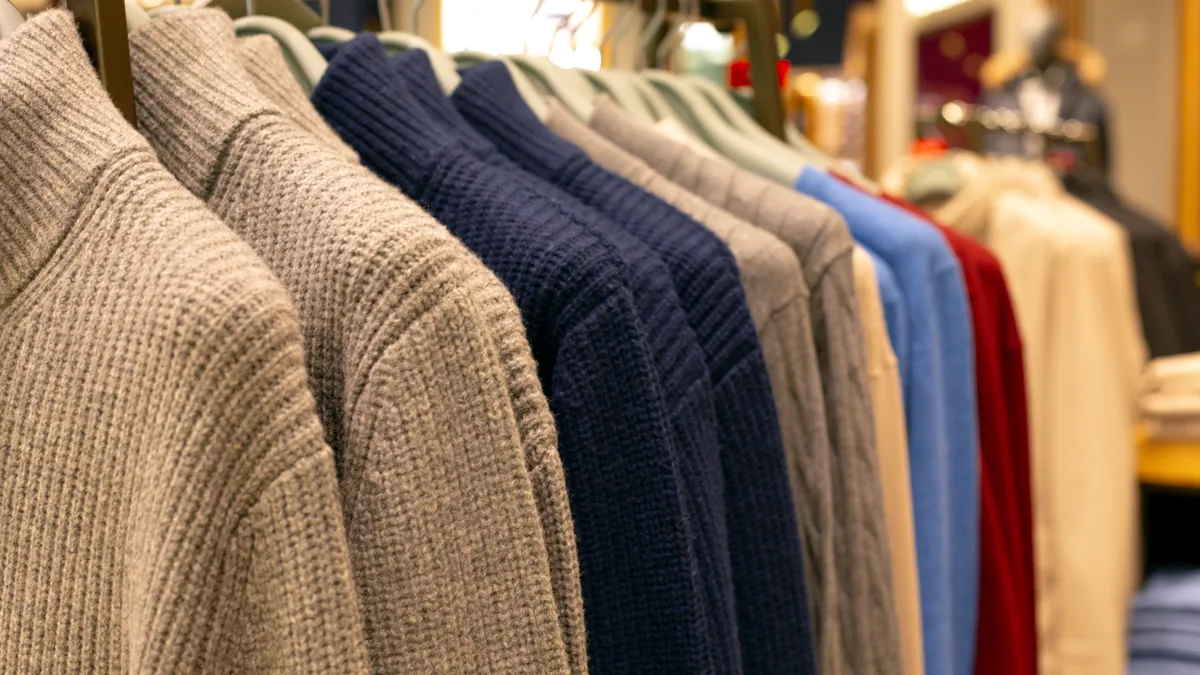
What John Lewis thermal underwear actually is
John Lewis thermal underwear is the store's base layer wardrobe: long-sleeve tops, long pants, and sets sold as a top and bottom pair, cut in 2 weights, mid-weight for everyday cold and winter-weight for sustained exposure below 5 degrees Celsius. The range sits between the cheap 2 layer polyester packs and the premium all-merino sets, and the fibre blend on the care label is what separates one tier from another. Cotton keeps its warmth when damp but holds the sweat itself. Polyester dries fast but feels flat against the skin. Merino wool is the fibre that does both jobs at once, which is why it appears in the higher-priced lines of the range.
Is thermal underwear worth the money
Thermal underwear is worth the money, if the layer is worn alone or in wet cold, because the 3 properties that produce warmth are fibre, weight and fit, and a cheap 2 layer pack fails at least 1 of them. A layer is worth its price when it does 2 jobs: it moves sweat off the skin, and it dries before that sweat chills you. In that role it outperforms a heavy sweater, which traps the damp. For a 5 degree commute under a coat, a mid-weight set at about 25 pounds for the pair is a fair price, because the outer shell then needs less bulk. For a day outdoors in wet weather, the same 25 pounds is not enough, and the money moves to the merino lines. The rule of thumb: pay for fibre when the layer stands alone, and for fit when it only works under a coat.
How to choose within the John Lewis range
To choose within the John Lewis range, sort the options by the 4 attributes a shopper can actually compare: fibre content, weight, fit and price per set, in that order. Fibre content decides what the layer does when it gets wet, weight decides how much heat it traps, fit decides whether it sits flat against the skin, and price per set tells you what you are paying for in those 3.
- Merino wool blend tops: the premium tier, priced near 50 pounds a top, best as a standalone layer in wet cold
- Mid-weight polyester or cotton-polyester sets: the value tier, priced around 20 to 30 pounds a set, best under outerwear
- Winter-weight sets: the heaviest cut, for sustained exposure, best bought as a matched top and bottom pair
Two more rules keep the choice honest. Buy the size that fits snug, not the size that leaves room for growth, because a thermal that moves under a coat loses the air layer it is supposed to trap. And buy the top and bottom from the same line, because a mismatched pair splits the 2 jobs of warmth between fabrics that dry at different speeds.
The fibre content that justifies the price
The fibre content that justifies the price is the blend printed on the care label, and the 1 blend that carries the premium is merino wool, which is sold in the range as a merino as a thermal base layer in the higher lines. Merino fibres are smaller in diameter than ordinary sheep's wool, which lets them hold air while still feeling soft against the skin, and they wick moisture away faster than cotton. Polyester adds durability and a faster dry, and cotton adds comfort, so the blend ratio on the label is the real price driver. A top at 50 pounds is paying for merino. A set at 25 pounds is paying for fit and a reliable cotton-polyester blend. Retailers sell the same physics at different price points, and Thermal underwear by retailer is sorted the same way anywhere you shop, so the comparison table below holds whether the label is John Lewis or a house brand.
| Fibre | Warmth when damp | Drying speed | Typical price in the range |
|---|---|---|---|
| Merino wool blend | Keeps most of its warmth when damp | Moderate | About 50 pounds a top |
| Polyester | Warm but clammy when wet | Fast | About 20 to 30 pounds a set |
| Cotton-polyester | Comfortable, slow to dry | Slow | About 20 to 30 pounds a set |
Read the label in this order: the fibre that comes first by weight is the fibre you are paying for. If merino is listed at 30 percent or more, the premium is real. If it is listed at under 10 percent, the blend is mostly polyester, and the price should match the polyester tier, not the merino tier.
How this compares with the other retail options
How this compares with the other retail options comes down to 3 price bands and 2 questions: how wet will the layer get, and will it stand alone or hide under a coat. The John Lewis mid-weight sets sit in the same band as Damart thermal underwear, which leads the market on volume and price, and both beat a supermarket 2 layer pack on fit. On the other end, Amazon thermal underwear spans every band from 10 pound polyester to 60 pound merino, so the platform tells you nothing by itself and the label does. Where John Lewis earns its place is the middle: a store where you can feel the fabric, try the fit on your body and take the set home, with the 3 properties of fibre, weight and fit visible before you pay. The test for any band is the same: the fabric must move sweat away and dry in time, and the fit must sit flat, or the price is not buying warmth.
When to buy the winter-weight cut
When to buy the winter-weight cut is when the layer has to carry the whole cold, for a commute on foot, a day outdoors, or a house where the heating runs low. The winter-weight cut traps more air than the mid-weight cut, so it needs 2 conditions: the air must stay reasonably dry, and the cut must fit snug, because a heavy layer worn loose works against itself. If the layer will sit under a coat through most of the day, the mid-weight cut does the job and the winter-weight money is better spent on the outer shell. Match the weight to the 2 jobs the layer will do, and the rest of the range, from the 20 pound set to the 50 pound merino top, sorts itself by the fibre on the label.