The mechanics of a thermal base layer
Thermal underwear works by trapping the still layer of air that your body warms to about 34 degrees C at the skin, using a knit that holds that air against you while a second barrier slows the cold outside from reaching it. A long underwear set is that barrier: a fitted pair of long sleeves and long legs, usually 200 to 300 gsm of merino wool or a merino blend, that you wear as the first layer under a shirt and trousers. The warmth you feel is not the fabric heating you; it is the fabric refusing to let your own heat escape into the air. That single mechanism explains why a 180 gsm base layer beats a 250 gsm jacket, and why fit and weight decide which garment wins in which cold.
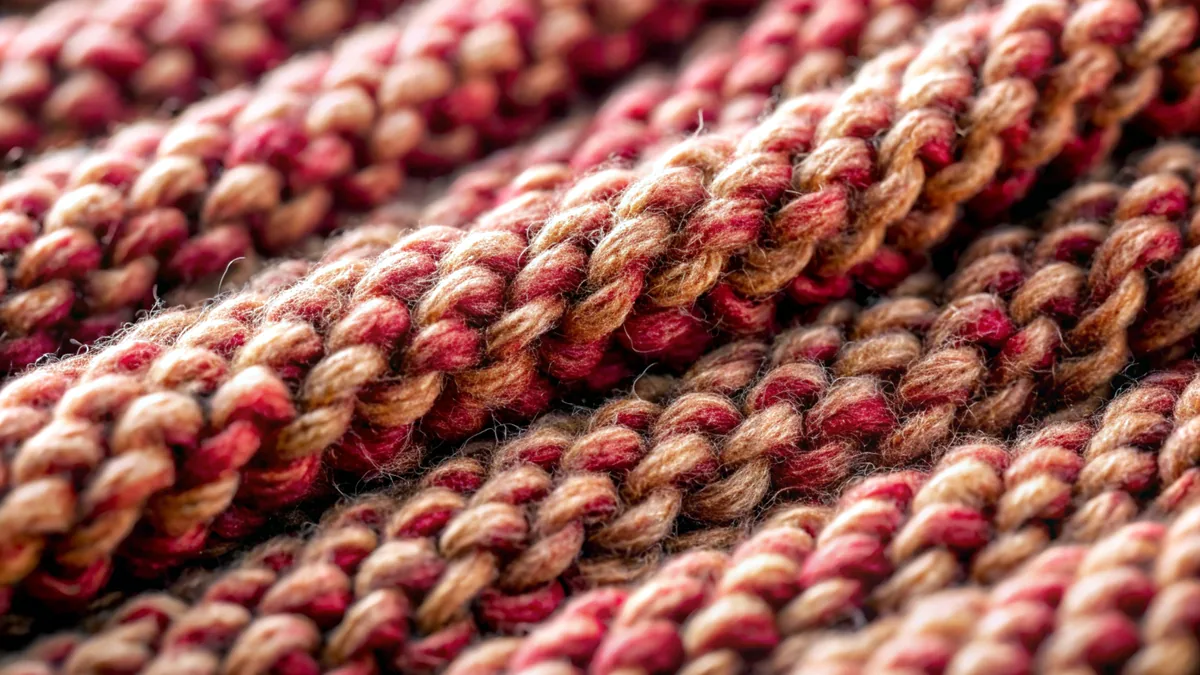
Everything in this page follows that loop. The sections below name the material, the structure that traps heat, the properties that decide the winner, the fit that makes or breaks the layer, the weight that matches the cold, the life the garment lasts, and the honest limit of how warm one layer can get you. Angora and wool appear as the premium fibre in that story, and Merino as a thermal base layer appears as the workhorse that most of the world actually wears.
The material that makes a base layer work
The material that makes a base layer work is the fibre, and the two fibres that carry luxury thermal underwear are merino wool and angora wool. Merino wool comes from the Merino sheep and is graded by micron count, with a fine merino around 17 to 19 microns; angora wool comes from the angora rabbit and runs finer still, often 11 to 14 microns. Mohair explained in one line, it is the wool of the angora goat, a third fibre that adds loft and shine to a blend but is not the softest of the three. The reason the fibre matters is that a fibre with a hollow or crimped surface traps air, and the finer the fibre, the more of that air it can hold per square inch without feeling scratchy on the skin.
- Merino wool: 17 to 19 microns, durable, insulates when damp, the default for a base layer
- Angora wool: 11 to 14 microns, exceptionally soft and lofty, wears faster than merino
- Mohair: 20 to 30 microns, adds structure and sheen, usually blended rather than worn alone
A layer of these fibres is warmer than the same weight of a flat cotton thread, because cotton packs the air out instead of holding it. The choice between the three fibres is a trade between softness and lifespan, which is the question the final section answers.
The structure that traps your heat
The structure that traps your heat is the knit, and it works through three jobs done in order. First, the fibre crimps, so the yarn never lies flat and a network of tiny air pockets sits between the threads. Second, the base layer is worn snug, which presses those air pockets against the skin so your body heat warms them in a few seconds. Third, the outer shell blocks the wind, so the warmed air cannot be stripped away by a gust. Heat leaves you three ways, by conduction into cold fabric, by convection as moving air, and by radiation, and a good base layer fights all three by holding still air against you and keeping the still air still.
Merino as the thermal base layer does this with a crimp of roughly 20 to 30 waves per centimetre in the fibre, which is what gives a merino knit its loft. The finer the yarn, the more pockets per square centimetre, and the more trapped air per gram of garment. This is why a thin merino base layer can outperform a thick cotton shirt in the same cold: the cotton is heavier but it has fewer, larger, colder air pockets, so less of your heat stays trapped.
Which properties decide which fibre wins in which cold
Which properties decide which fibre wins in which cold come down to four measurements: fineness, loft, warmth when damp, and abrasion resistance. A fibre that is soft but collapses when wet loses its air pockets in a storm; a fibre that is tough but stiff loses its warmth on the skin because it cannot press close enough to hold the still air. The table below ranks the three fibres on those four properties, so you can read the winner for your cold straight from it.
| Property | Merino wool | Angora wool | Mohair |
|---|---|---|---|
| Fineness in microns | 17 to 19 | 11 to 14 | 20 to 30 |
| Loft and trapped air | High | Highest | Moderate |
| Warmth when damp | Keeps insulating | Falls off as it wets | Moderate |
| Abrasion resistance | Best of the three | Fair | Good |
Merino wins in wet, active, everyday cold because it holds its loft when damp and takes a beating across the years. Angora wins in still, dry, very cold, because its extra loft traps more air per gram, which is exactly the extra warmth the next section describes.
Fit, weight, and how long a base layer lasts
Fit, weight, and how long a base layer lasts are the three practical levers you control, and each one changes the warmth number you get from the same fibre. A base layer should sit close to the skin with no slack to pool, because a loose layer traps dead air that your body never warms, and a layer that is too tight compresses the air pockets out of the knit. The standard fit is close but not compressing, and a size up for a heavier mid layer underneath.
Weight is the dial for the cold. A light base layer of about 150 to 180 gsm suits dry cold above minus 5 degrees C, a mid weight of 200 to 250 gsm suits minus 5 to minus 15 degrees C, and a heavy weight of 250 to 300 gsm suits minus 15 degrees C and below. Wear the weight that matches your coldest hour, not your average hour. On life, a merino base layer that is washed at 30 degrees C and air dried will hold its loft and its fit for around 5 to 7 years of regular winter use, while an angora blend that is softer to start with tends to thin out at the knees and elbows after 3 to 4 seasons.
Does thermal underwear keep you warm, and how warm
Does thermal underwear keep you warm, and how warm, has a straight answer: yes, it keeps you warm, and the honest limit is that one base layer is worth roughly 3 to 5 degrees C of protection over what your skin loses to still air. It is a layer, not a heater, so it keeps you warm in the cold you are already dressed for and it cannot rescue a body that is underdressed for the cold. Thermal underwear extra warm, in the sense the shops mean it, is a heavier weight, a higher loft, or a blend that carries angora or mohair for added air, and each of those adds warmth by adding trapped air rather than by generating any.
The insulation loop, from skin to outer air, closes when the base layer holds the still air, the mid layer holds more of it, and the shell keeps it from moving. Break any one link, by a loose fit, a wet fibre, or a wind through the shell, and the warmth you measured above leaks out. That is the whole mechanics of a thermal base layer, and the rest of the question is simply choosing the right fibre, the right weight, and the right fit for the coldest hour you expect to meet.