Costco thermal underwear
Costco thermal underwear is the base layer a member buys at a Costco warehouse, and the right one is judged by the fibre in that base layer, because the fibre traps heat, carries sweat and resists odour in ways that no printed label can fully capture. The warehouse racks split the category into 3 broad jobs, a warm mid layer for everyday cold, a heavy insulated layer for deep winter and a thin moisture wicking layer for active use, and each job is priced at roughly 20 to 40 dollars for a top and bottom set. The numbers that decide which pick to buy are the fibre content, the fit and the weight, so a shopper can open the package and check those 3 things before paying.
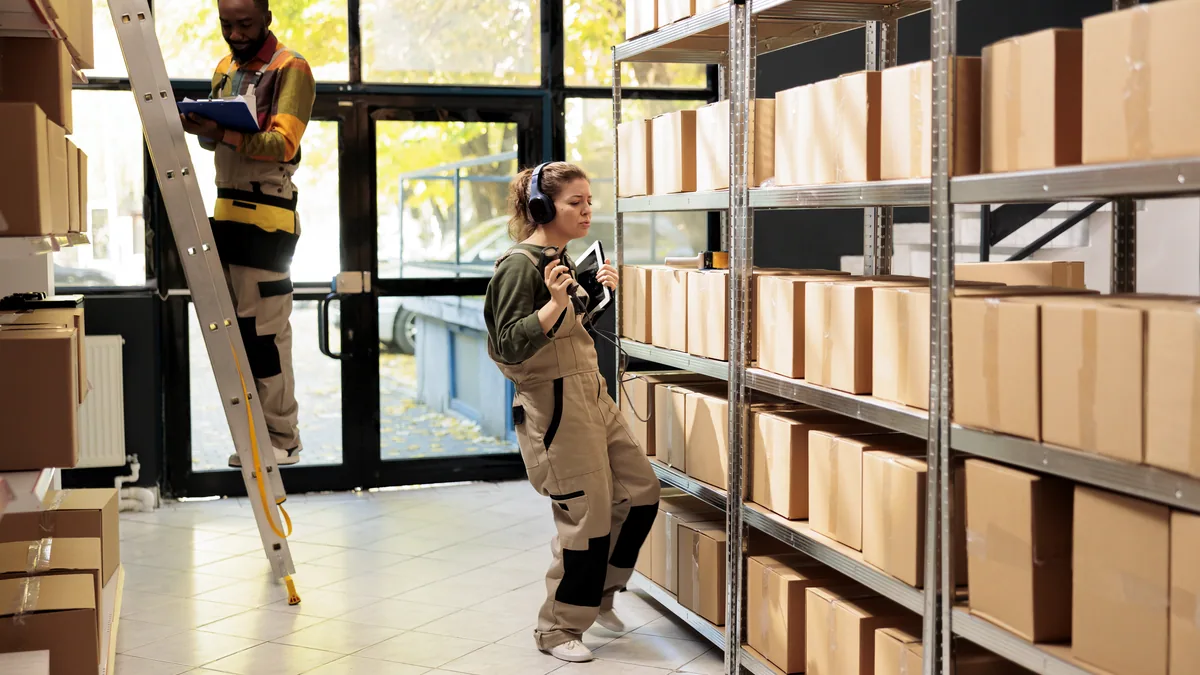
Buying thermal underwear by retailer changes the maths of the decision. Costco sells long underwear in bundles, Damart thermal underwear sells in single pieces at a fixed price, and Amazon thermal underwear sells across dozens of brands with reviews stacked beside the listing. The same wool blend can cost half as much at a warehouse as it does online, and the difference is often the pack size, not the quality. The honest question to ask before checkout is whether the deal covers 1 season or 3, and how the thermal underwear works at the level of the fibre, which is what this page traces from the raw fibre to the finished garment.
What Costco thermal underwear actually is
Costco thermal underwear is the base layer of the warehouse's winter line, and it is sold as a matched top and bottom set rather than as separate pieces. The line runs in 2 main weights, a mid weight for daily cold and a heavy weight for the deepest freeze, and it spans sizes from small to 3x large. A single set costs about 30 dollars, which is a bundle price, so the cost per top and bottom pair undercuts the price of 1 piece sold elsewhere by a wide margin.
Long underwear and thermal underwear
Long underwear is the full length version of the same base layer, and it is the default cut on the Costco shelf. The long underwear costco shoppers reach for first is the mid weight set in a cotton or poly blend for the day and a merino or wool blend for the cold that bites. The word thermal names the function, to trap heat against the skin, while the word long names the length, and most sets do both at once.
Heat underwear for the active cold
Heat underwear is the thin, wicking cut of the base layer, and it suits the member who moves, because a heavy wool layer steams in a jacket while a thin wicking layer keeps the skin dry. The heat underwear costco sells comes in a lightweight single layer that fits under a regular shirt, and it is built from a polyester or merino blend that moves sweat to the outer face where it dries. The 1 layer you choose depends on whether you are standing still in the cold or working through it, and the fibre is the variable that changes the answer.
Thermal pants and the base layer bottom
Thermal pants are the base layer bottom, and they are sold at Costco as the lower half of the set and as a pair on their own for the member who already owns a good top. The thermal pants costco offers come in the same mid and heavy weights as the tops, so a buyer can mix a heavy bottom with a lighter top in a hard winter. A pair of thermal pants costs about 15 dollars, and the fit detail that matters most is the waistband and the length, because a bottom that rides up or bunches at the knee stops working as insulation.
How the fibre in the base layer traps heat
How the fibre works is the reason the label matters, and the mechanism starts with the fibre itself. A wool fibre is a hollow, crimped strand that traps a layer of still air next to the skin, and that still air is the real insulator, not the wool. A merino fibre is finer than a standard wool fibre, with a diameter around 20 to 24 microns, so it carries the same heat without the itch. A cotton fibre is a solid strand that holds water, so a wet cotton layer conducts heat away from the body and feels colder than no layer at all.
| Fibre | Heat retention | Moisture handling | Best use |
|---|---|---|---|
| Merino wool | High | Wicks and resists odour | Multi day cold |
| Wool blend | High | Moderate wicking | Stationary cold |
| Polyester | Low to moderate | Fast wicking | Active movement |
| Cotton blend | Low when wet | Holds water | Mild cold only |
The weight of the layer adds a second dial. A 150 gram mid weight set suits the day, a 200 gram heavy set suits the deep freeze, and a 100 gram thin set suits the active cold. The right weight and the right fibre together decide which cold a member wins, and both are printed on the tag in grams and in fibre content.
How to judge a Costco pick before you buy
To judge a Costco thermal pick, read the tag for 3 numbers, the fibre content, the weight in grams and the fit size, and then match them to the coldest day you expect this season. A merino or wool blend in the 200 gram weight is the safe warm pick, and a polyester or thin merino blend in the 100 gram weight is the safe active pick. If the price undercuts the usual range by more than half, check the fibre line, because a deep discount often signals a thinner weight or a cotton blend. The fibre is the answer, and the tag tells you the answer before you reach the register.